What Happens to Your Body When You’re Constantly Stressed
Most people think stress is something that happens purely in the mind.
You feel overwhelmed, anxious, mentally drained, and eventually it passes. That is how stress is usually framed: as an emotional issue rather than a physical one.
But the reality is that stress affects the entire body.
When stress becomes constant, it changes the way your body functions day to day. It impacts your sleep, your energy, your recovery, your skin, your immune system, and even the way you physically look. Over time, it can leave you feeling genuinely unwell without there being one obvious illness to point to.
That is what makes chronic stress so difficult to identify. The symptoms often appear gradually and across multiple areas at once. You just know you do not feel like yourself anymore.
Stress Was Never Supposed to Be Permanent
The human stress response is designed for short-term survival.
When your brain detects a threat, your body releases hormones like cortisol and adrenaline. Your heart rate increases, your focus sharpens, and your body temporarily redirects energy away from less urgent systems so you can respond quickly.
In small doses, this process is useful.
The problem is that modern stress rarely comes in short bursts anymore. Work pressure, financial stress, poor sleep, constant notifications, overstimulation, and never fully switching off mean many people stay in a low-level stress state almost permanently.
The body was never designed to operate like that continuously.
Eventually, the systems designed to protect you begin wearing you down instead.
Why Chronic Stress Makes You Feel Physically Ill
One of the most frustrating things about long-term stress is how physical it becomes.
People often experience:
constant fatigue
headaches
muscle tension
digestive problems
brain fog
dizziness
poor sleep
lowered immunity
Because the symptoms feel physical, many people assume there must be a separate illness causing them. In reality, prolonged stress directly affects nearly every major system in the body.
When cortisol remains elevated for too long, recovery becomes impaired. Inflammation increases, sleep quality worsens, and the nervous system struggles to fully relax.
This is why people under heavy stress often describe feeling “wired but exhausted” at the same time. Their body feels drained, but their nervous system still feels alert.
Stress and Collagen: The Connection Most People Miss
One of the less talked-about effects of chronic stress is what it does to collagen production and recovery.
Collagen is one of the key structural proteins in the body. It plays a major role in:
skin elasticity
joint support
connective tissue strength
overall physical resilience
Under prolonged stress, elevated cortisol levels can accelerate collagen breakdown while simultaneously reducing the body’s ability to recover and repair effectively.
This matters more than people realise.
It is part of the reason periods of chronic stress often lead to:
duller skin
more visible fine lines
tired-looking eyes
slower gym recovery
increased stiffness or joint discomfort
People often think stress simply “shows on the face” metaphorically. In reality, there are genuine biological processes behind that visible change.
The body is under greater strain while also recovering less effectively.
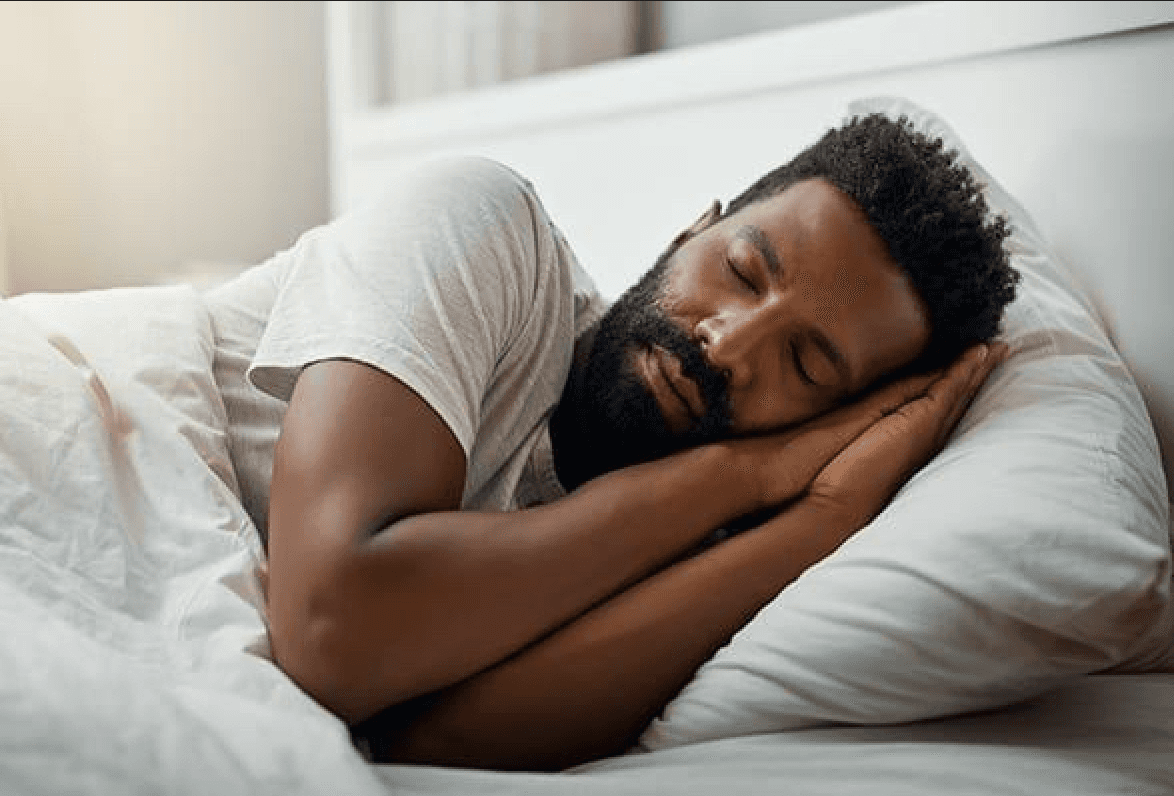
Sleep Is Usually the First Thing to Suffer
Sleep and stress quickly become a vicious cycle.
Stress makes it harder to sleep deeply, and poor sleep makes stress harder to manage. Over time, this creates a constant state of under-recovery.
Even when you technically get enough hours, the quality of that sleep often declines. You wake up feeling unrefreshed, your energy becomes inconsistent, and recovery slows down across the board.
That affects almost everything:
concentration
mood
physical performance
skin quality
hormone regulation
appetite and cravings
Many people try to push through this with caffeine or by simply ignoring it, but eventually the body starts forcing the issue.
Why Stress Changes Your Appearance
Stress often becomes visible before people fully realise how severe it has become internally.
Skin can start looking duller, drier, and more fatigued. Eye bags become more noticeable. Fine lines often appear more pronounced because stress and poor sleep accelerate dehydration and collagen degradation.
Posture changes too. Chronically stressed people often carry physical tension through the shoulders, neck, and jaw, which subtly changes the way they look and carry themselves.
That is why periods of intense stress can make someone appear significantly older or more exhausted in a relatively short amount of time.
Modern Stress Rarely Allows Proper Recovery
Part of the problem is that most people never truly switch off anymore.
Even during downtime, the brain is often still stimulated by:
social media
emails
notifications
constant information
work bleeding into personal time
The nervous system never fully settles, which means recovery never fully happens either.
Over time, the body begins functioning in a near-constant state of low-level survival mode.
Reducing the Physical Impact of Stress
The goal is not eliminating stress entirely. That is unrealistic.
The goal is reducing how long your body remains trapped in a heightened stress state.
Sleep quality should be the first priority. Consistent sleep and wake times, limiting late-night stimulation, and creating proper separation between work and recovery all make a significant difference over time.
Physical movement also helps regulate stress hormones and improves recovery, even when motivation is low. Hydration, nutrition, and proper recovery become increasingly important during stressful periods because the body is operating under greater overall strain.
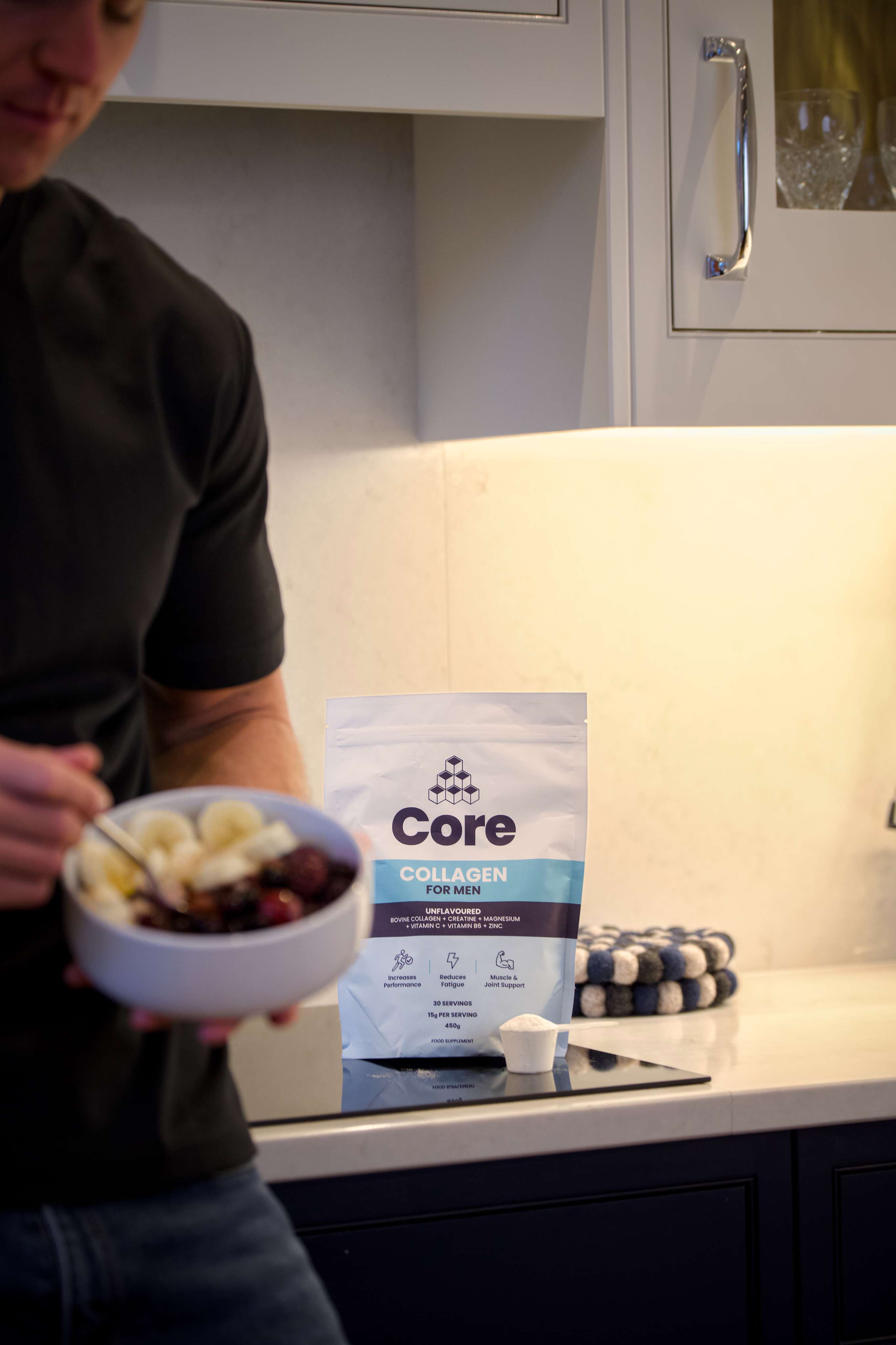
Supporting the body internally matters too. Chronic stress increases wear on the body, including the systems responsible for skin quality, connective tissue, and recovery. Maintaining healthy collagen production through nutrition and supplementation can help support resilience during prolonged periods of stress.
Most importantly, genuine downtime matters. Not endless scrolling or passive stimulation, but actual moments where the nervous system is allowed to calm down properly.
The Bottom Line
Stress is not just a mental experience.
When it becomes constant, it changes how your body functions physically. It affects your energy, your recovery, your appearance, your sleep, and the way your body repairs itself over time.
That is why prolonged stress can leave you feeling physically ill even when there is no obvious illness present.
The body is not designed to stay in survival mode indefinitely.
Eventually, it starts asking for recovery.