There’s a point, usually somewhere after 25, where things stop feeling as effortless.
You’re not ill. You’re not dramatically out of shape. On paper, nothing is “wrong”. But something’s shifted.
Your energy isn’t as consistent. Your focus dips more than it used to. Recovery takes longer. You wake up feeling like you haven’t fully recharged.
It’s subtle enough to ignore, but noticeable enough to bother you.
Most men brush it off as “just getting older”. But that’s not really what’s happening.
What Does “Feeling Off” Actually Mean?
It’s rarely one clear symptom. It’s more like a collection of small signals:
energy that crashes mid-day
workouts that feel harder than they should
lower motivation, even when you want to be productive
worse sleep quality, even if you’re in bed long enough
a general sense of being slightly disconnected or flat
Individually, none of these seem serious. Together, they point to something deeper.
The Real Cause Isn’t Age, It’s Decline in Key Systems
After your mid-20s, your body doesn’t suddenly fall apart. But several systems begin to gradually decline at the same time.
The problem is that these declines overlap, and when they do, you feel it.
1. Recovery Starts Slipping First
In your early 20s, you can get away with a lot. Bad sleep, heavy drinking, inconsistent diet, and still feel fine the next day.
After 25, that buffer starts shrinking.
Your body becomes less efficient at:
repairing muscle
regulating inflammation
bouncing back from stress
That’s why a bad night’s sleep hits harder. Why a workout leaves you sore for longer. Why you don’t feel fully reset the next day.
2. Collagen and Structural Support Decline
This doesn’t just affect how you look. It affects how you feel.
Collagen plays a role in:
joint health
connective tissue strength
overall physical resilience
As levels drop, you might notice:
more stiffness
slower recovery from training
small aches that didn’t used to be there
It’s not dramatic, but it adds to that overall “off” feeling.
This is one of the biggest factors, and most people miss it.
You might still be getting 7–8 hours. But the quality of that sleep often declines due to:
stress
screen exposure
inconsistent routines
things like sleep apnea
When sleep quality drops, everything else follows:
energy
mood
hormone balance
recovery
If you constantly wake up feeling like you haven’t fully rested, this is likely the core issue.
4. Lifestyle Catches Up With You
What you could “get away with” before now has a cost.
Regular drinking, poor diet, high stress, and lack of routine don’t just stay neutral. Over time, they increase inflammation and reduce your body’s efficiency.
You don’t suddenly feel terrible. You just stop feeling good.
Why Most People Get This Wrong
The default reaction is to look for something extreme:
a new supplement stack
a hardcore diet
a massive lifestyle overhaul
But the reality is usually simpler.
It’s not one big problem. It’s multiple small ones stacking together.
Trying to fix everything at once rarely works. Fixing the right few things consistently does.
How to Start Feeling Like Yourself Again
You don’t need a complete reset. You need to stabilise the fundamentals.
Start with recovery. If your body isn’t recovering properly, nothing else performs the way it should. That means prioritising sleep quality, not just time in bed. Consistent sleep and wake times, reducing late-night stimulation, and actually allowing your body to switch off.
Then look at hydration. It’s basic, but it directly impacts energy, focus, and physical performance. Most people are running slightly dehydrated without realising it.
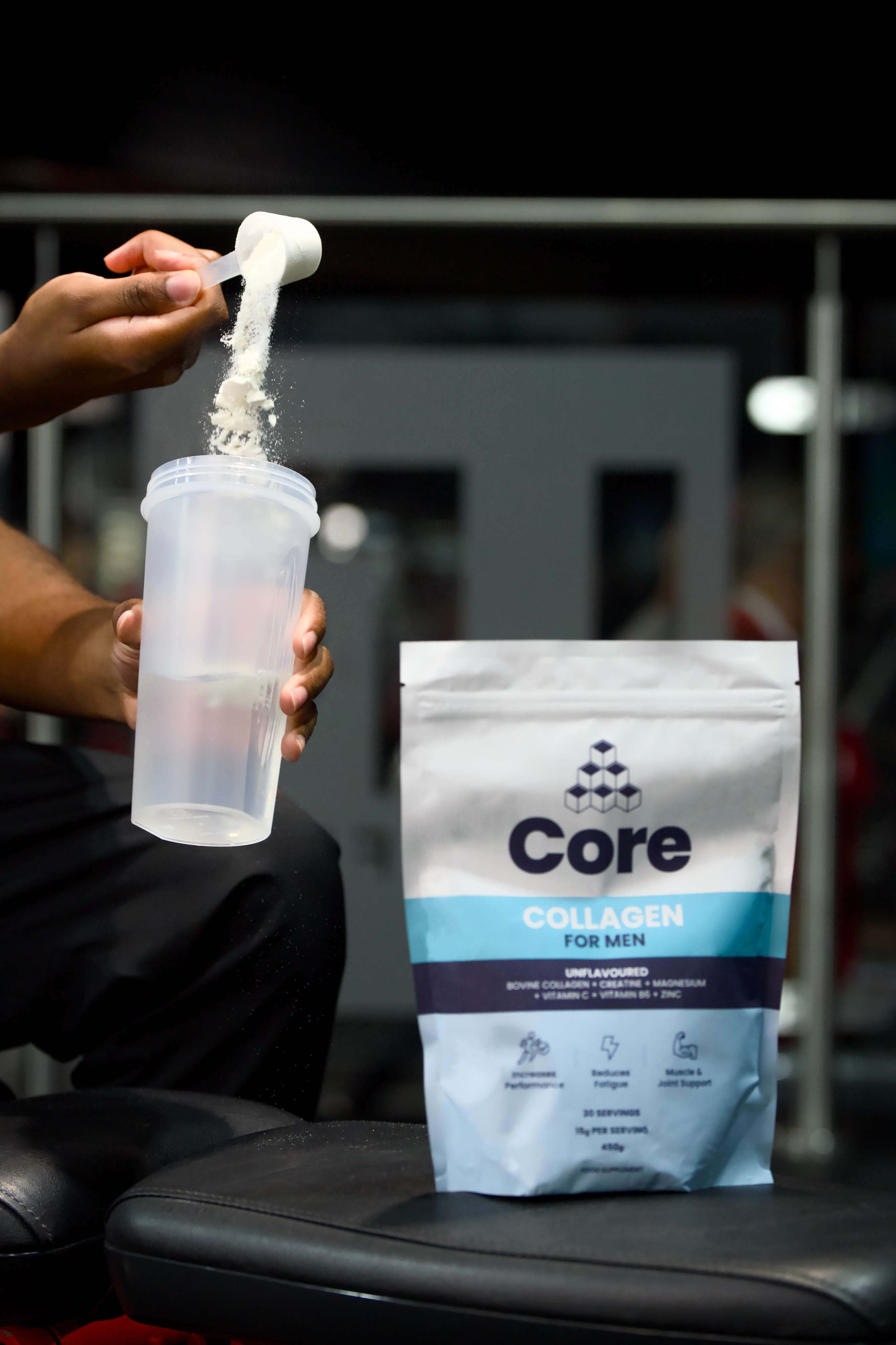
From there, support your body structurally. As natural production declines, things like collagen support become more relevant. Not as a magic fix, but as a way to maintain what your body is slowly losing.
Training should stay consistent, but smart. You don’t need to destroy yourself in the gym. You need to recover properly from what you do.
And finally, be realistic about lifestyle. You don’t need to eliminate everything enjoyable. But spacing things out, managing stress, and keeping a baseline routine makes a bigger difference than going all-in for a week and burning out.
The Bottom Line
Feeling “off” after 25 isn’t random, and it’s not something you just have to accept.
It’s usually the result of:
reduced recovery capacity
declining structural support (like collagen)
poorer sleep quality
and accumulated lifestyle stress
Individually, these don’t feel like much. Together, they change how you feel day to day.
Fix the foundations, and you don’t just feel slightly better. You feel like yourself again.
And once that baseline is back, everything else becomes easier.