There’s a specific kind of frustration that hits when you catch your reflection and think, “Why do I look this tired?”
Not older in a dramatic, grey-hair, midlife way. Just… worn down. Slightly dull. Like your face isn’t keeping up with how you actually feel.
For most men, this starts earlier than expected. Mid-20s, sometimes sooner. And it doesn’t come from one big cause. It’s a slow accumulation of small things working against you every day.
The problem is, most advice either overcomplicates it or completely misses what’s actually going on beneath the surface.
So let’s strip it back properly.
The Real Reason Your Skin Is Changing
Your skin isn’t just a surface. It’s a structure. And like anything structural, once the foundation weakens, everything on top starts to shift.
That foundation is largely built on collagen.
Collagen is what gives your skin its firmness, its bounce, that tight, healthy look you probably took for granted a few years ago. From around the age of 25, your body quietly starts producing less of it. Not all at once, not dramatically, just a steady decline that compounds over time.
At first, you don’t notice. Then one day you do.
Lines sit slightly deeper. Your skin doesn’t snap back the same way. There’s a faint tiredness to your face, even when you’ve slept well. That’s not just “ageing”. That’s your structure weakening.
And here’s where it gets worse.
It’s Not Just Age, It’s How You Live
If collagen loss is the baseline, lifestyle is what accelerates it.
Take something as simple as dehydration. You don’t need to be severely dehydrated for your skin to look worse. Even being slightly under-hydrated can make your face look flatter, duller, and more lined. Add in alcohol, especially if you’re drinking heavily once a week, and you’re amplifying that effect.
Sleep is another one that people underestimate. You can get enough hours and still have poor-quality sleep, and your skin will show it. Darker circles, uneven tone, slower recovery. It’s not subtle.
Then there’s sun exposure. Not beach holiday sunburn. Just everyday exposure. Walking around, driving, sitting near windows. UV damage builds quietly and consistently breaks down collagen faster than your body can replace it.
Layer stress, diet, and general inflammation on top of that, and you’ve got a perfect storm. None of these things individually ruin your skin. Together, over time, they absolutely do.
The Signs You’re Ageing Faster Than You Should
Most guys don’t clock it straight away. It shows up in subtle ways first.
You might notice that you look tired even when you’re not. Or that your skin has lost that natural brightness it used to have. Fine lines start appearing earlier than you expected, especially around the eyes or forehead. The skin itself feels different too, slightly looser, less responsive.
It’s not dramatic. That’s why it’s easy to ignore. But it’s a signal that things are moving in the wrong direction.
How to Actually Fix It
This is where most advice falls apart. Either it throws a 10-step skincare routine at you, or it tells you to drink more water and calls it a day.
The reality sits somewhere in the middle. You don’t need complexity. You need to address the root issues properly.
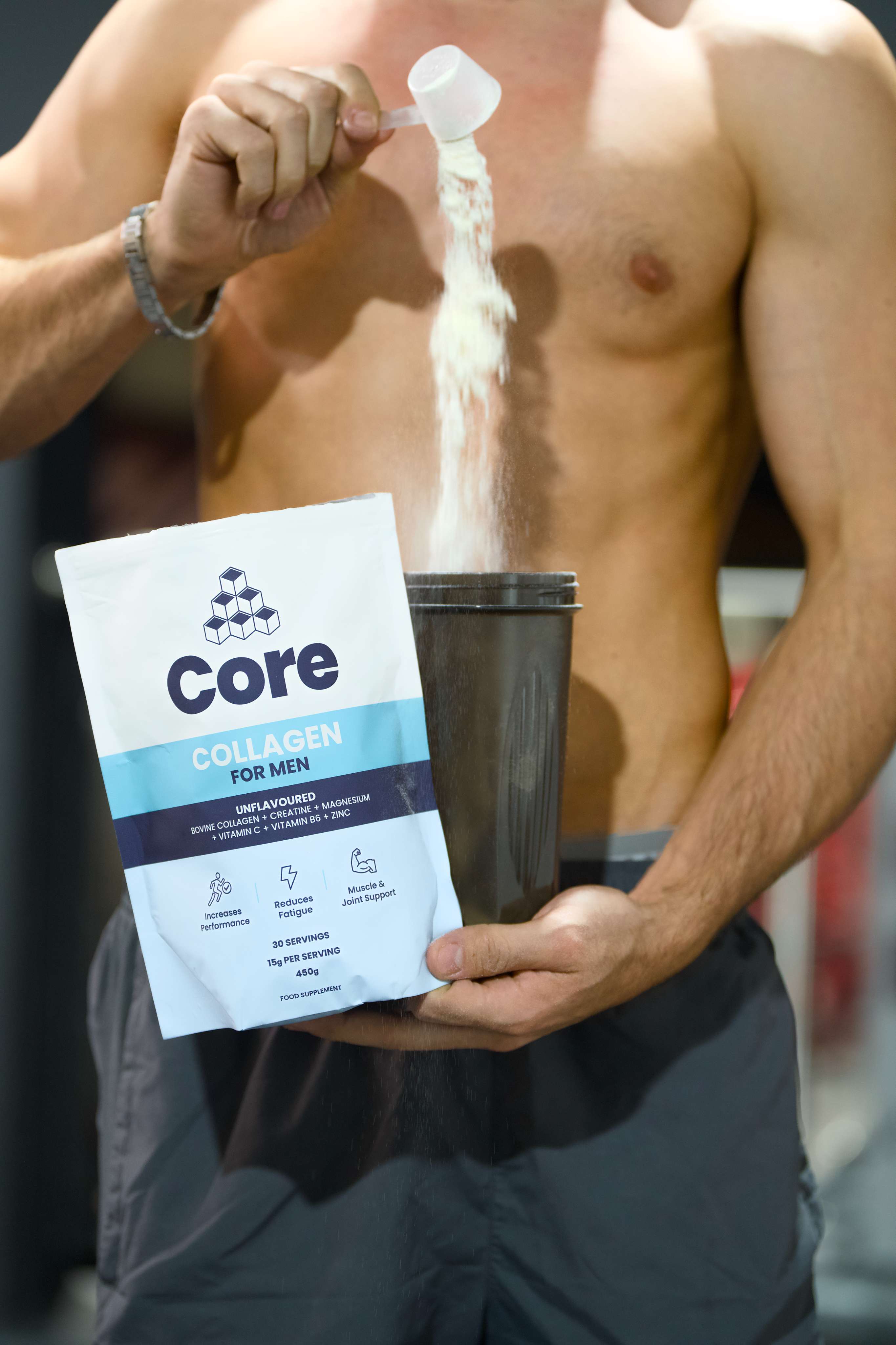
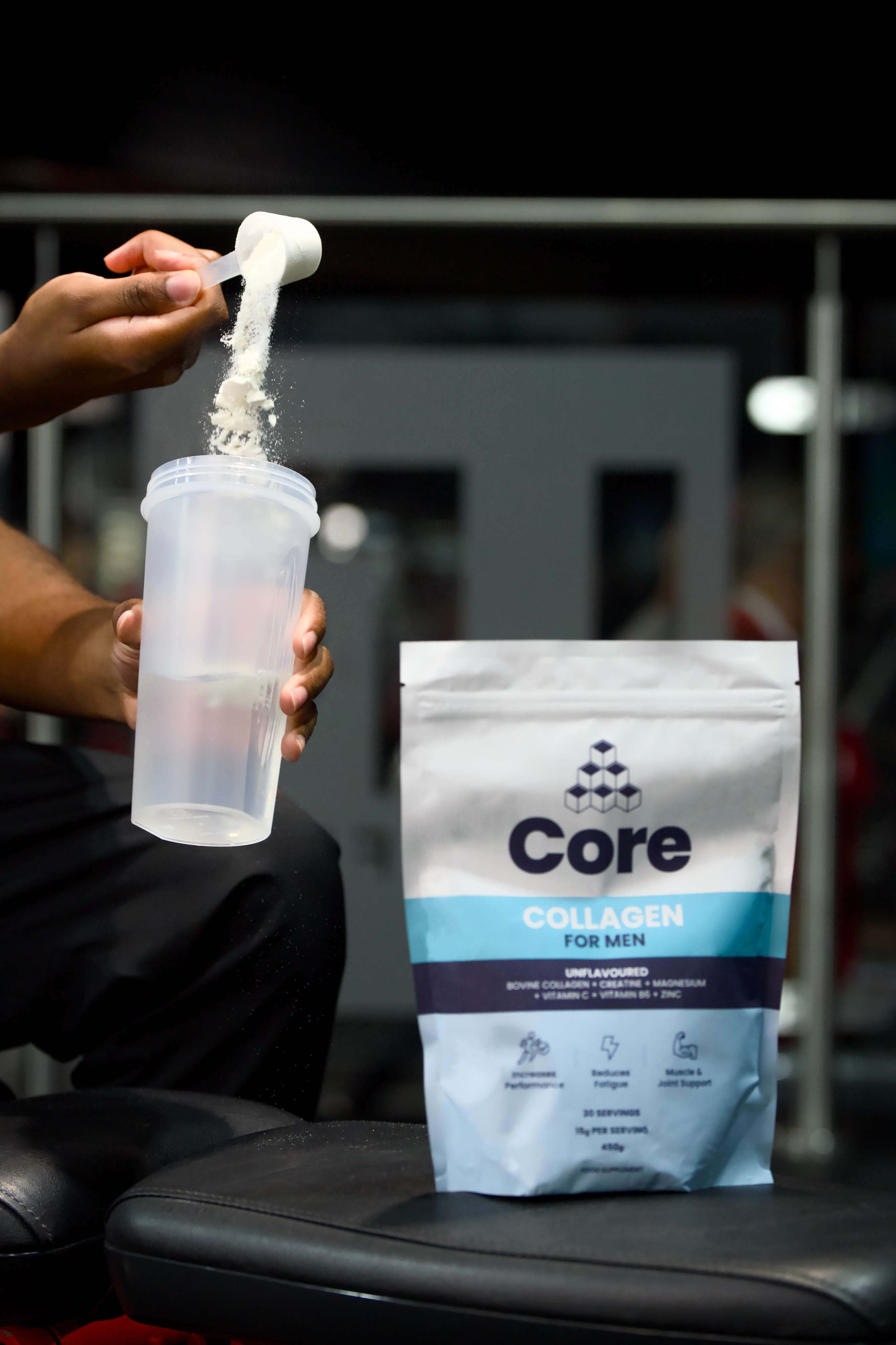
The first is rebuilding or supporting that underlying structure. If collagen loss is the core problem, then supporting collagen, either through diet or supplementation, is one of the few things that directly targets it. It’s not hype, it’s just basic biology.
Then you’ve got hydration. It sounds almost too simple, but it’s one of the fastest ways to visibly improve how your skin looks. When your body is properly hydrated, your skin reflects it almost immediately. Fuller, smoother, more alive.
Sleep is less of a quick fix and more of a force multiplier. When it’s good, everything else works better. When it’s bad, nothing fully compensates for it. Fixing sleep quality alone can shift how your face looks within a couple of weeks.
Protection matters just as much as repair. Daily SPF is one of the highest leverage habits you can build, even if you don’t care about skincare. It’s less about looking better tomorrow and more about not looking worse in six months.
And then there’s realism. Most people aren’t going to live perfectly. You’re going to drink, you’re going to have late nights, you’re going to slip on routines. The goal isn’t perfection, it’s damage control. Hydrating properly, spacing things out, and keeping the fundamentals consistent does more than trying to be extreme for a week and burning out.
The Bottom Line
If your skin looks older than you are, it’s rarely just “bad luck”.
It’s usually a combination of:
your body producing less collagen
your lifestyle accelerating that decline
and a lack of consistent habits to counter it
The fix isn’t complicated, but it does require consistency.
Support your skin from the inside. Protect it from the outside. Keep the basics tight.
Do that, and you don’t just slow things down. You actually start to reverse the look of it.
And that’s when people stop thinking you look tired, and start wondering what changed.