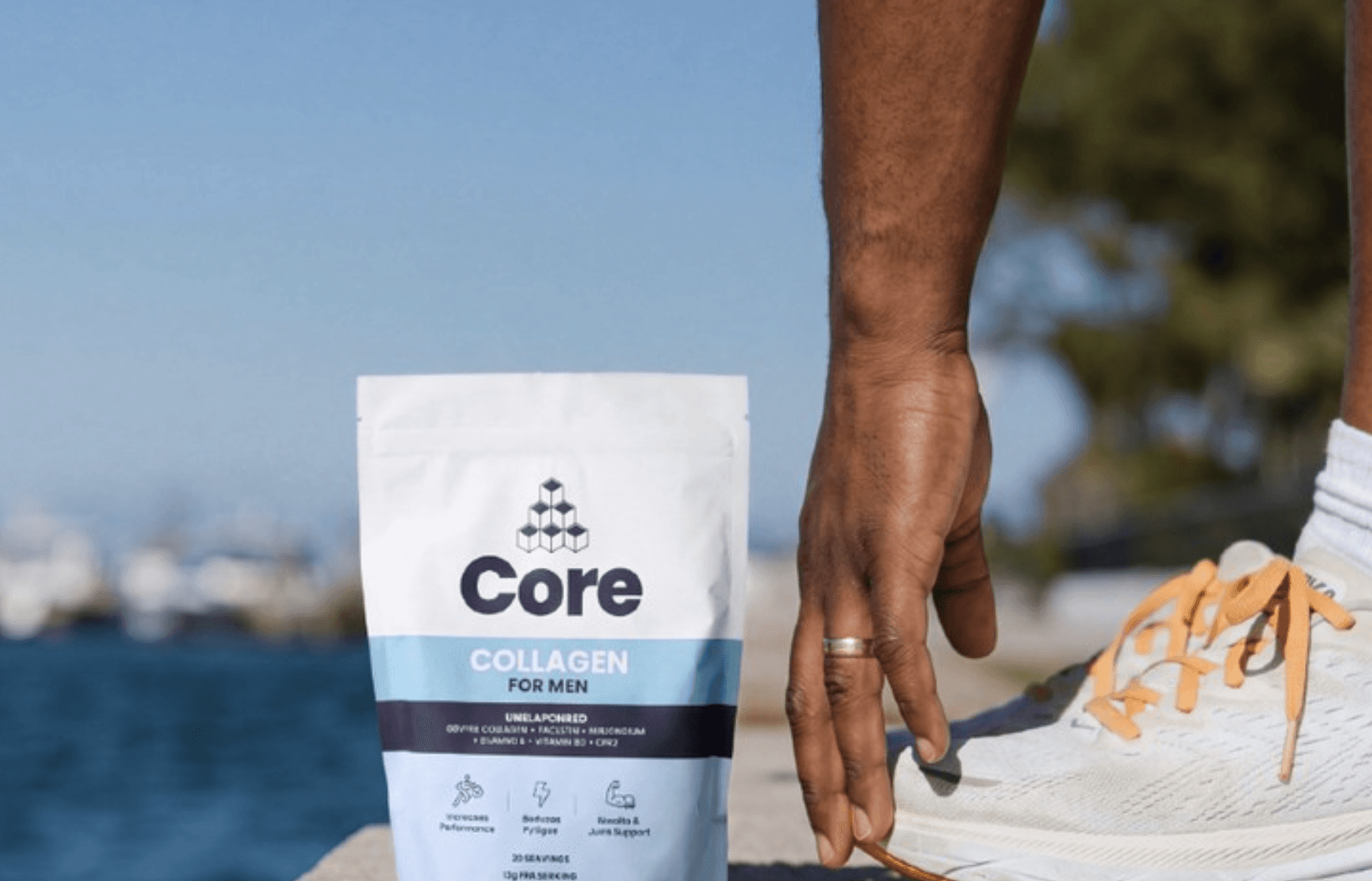
Most men spend far more time thinking about how to perform better than how to recover better.
We look for the perfect workout programme, the ideal supplement stack, the latest productivity hack, or the most effective diet. We focus on output. More work, more training, more effort.
But very few people stop to consider what actually allows progress to happen in the first place.
Recovery.
Without recovery, the body cannot adapt. It cannot rebuild. It cannot perform at its best. Whether your goal is building muscle, improving your skin, increasing your energy levels, or simply feeling healthier day to day, recovery sits at the centre of all of it.
The irony is that many people only start paying attention to recovery when something begins going wrong.
Recovery Is Where Progress Actually Happens
There is a common misconception that results are created during effort.
In reality, effort is simply the trigger.
The workout itself does not build muscle. The recovery afterwards does.
The stressful day at work does not make you more resilient. Adapting to that stress during recovery is what builds resilience.
Even your skin follows the same principle. Daily exposure to sunlight, pollution, stress, and environmental damage places strain on the body. Recovery is the process through which repair takes place.
Without adequate recovery, the body remains stuck in a cycle of breakdown.
The Modern Recovery Problem
The challenge is that modern lifestyles make proper recovery increasingly difficult.
Many men spend their days moving from one source of stress to another. Work deadlines become gym sessions. Gym sessions become late-night screen time. Screen time becomes disrupted sleep.
The body never fully switches off.
From the outside, this can look productive. Internally, however, recovery systems are constantly being compromised.
The result is often subtle at first.
You feel slightly more tired than usual. You wake up less refreshed. Your workouts feel harder. Small aches linger longer. Your skin starts looking duller. Energy becomes less consistent.
None of these changes seem significant on their own.
Together, they paint a very different picture.
Why Sleep Is the Foundation of Recovery
If recovery had a hierarchy, sleep would sit firmly at the top.
During sleep, the body carries out some of its most important repair processes. Hormones are regulated. Muscle tissue is repaired. The immune system is strengthened. The brain processes information and prepares for the next day.
When sleep quality suffers, every other aspect of recovery suffers alongside it.
This is one reason why people often feel stuck despite making positive changes elsewhere. They may be eating well and exercising consistently, but poor sleep continues to undermine the body’s ability to adapt and improve.
Sleep is not simply rest.
It is active biological maintenance.
Recovery and Skin Health
Most people associate recovery with fitness, but its impact extends far beyond the gym.
Skin is one of the clearest examples.
Your skin is constantly exposed to stressors. Sunlight, pollution, dehydration, poor sleep, alcohol, and psychological stress all contribute to wear and tear over time.
Recovery is what allows your body to repair that damage.
When recovery is compromised, skin often becomes one of the first places where the effects become visible. You may notice a dull complexion, increased dryness, more pronounced fine lines, or a generally tired appearance.
This is not simply cosmetic.
It is a visible reflection of what is happening internally.
The Role of Collagen in Recovery
One of the key components involved in both physical recovery and skin health is collagen.
Collagen is the most abundant protein in the human body and forms a major part of your skin, tendons, ligaments, joints, and connective tissues.
In many ways, collagen acts as part of the body’s structural framework.
As we age, natural collagen production gradually declines. This process begins earlier than most people realise and continues throughout adulthood.
When recovery demands increase through exercise, stress, poor sleep, or simply getting older, maintaining healthy collagen levels becomes increasingly important.
Collagen plays a role in supporting skin elasticity, connective tissue integrity, and the body’s overall ability to maintain and repair itself.
While it is not a magic solution, it is one of the foundational building blocks involved in recovery throughout the body.
The Signs You May Not Be Recovering Properly
Poor recovery does not always announce itself dramatically.
More often, it shows up through patterns that become normalised over time.
You may constantly feel tired despite getting enough sleep. Workouts may feel harder than they should. Motivation can become inconsistent. Small injuries may take longer to heal. Skin may look more tired than usual.
Many people accept these changes as an unavoidable part of getting older.
In reality, they are often signs that the body’s recovery systems are struggling to keep pace with daily demands.
Improving Recovery Doesn’t Have to Be Complicated
The good news is that effective recovery rarely requires extreme interventions.
The fundamentals remain remarkably simple.
Prioritising sleep quality. Staying hydrated. Managing stress. Training intelligently rather than excessively. Eating enough protein. Supporting the body’s natural repair processes.
These habits may not feel exciting, but they consistently deliver results.
The body responds best to consistency, not complexity.
The Bottom Line
Recovery is not a luxury.
It is the foundation upon which every aspect of health, performance, and appearance is built.
When recovery improves, energy improves. Performance improves. Skin quality improves. Resilience improves.
The body becomes better equipped to handle the demands placed upon it.
In a culture that constantly celebrates doing more, recovery is often overlooked.
But if you want to look better, perform better, and feel better over the long term, recovery is one of the most important investments you can make.